Bi-Directional vs. Uni-Directional Carbon Fiber Fabric: Which One Should You Choose?
If you’ve ever stood in front of a carbon fiber fabric product—a sleek helmet, a racing car panel, or a structural beam—and wondered what makes it perform the way it does, the answer often starts with the fabric itself. Specifically, the direction in which the carbon fibers are woven or laid makes a huge difference to how the final product performs.At Malu Group India, one of the most common questions we hear from buyers, engineers, and fabricators is simple: “Should I go with bi-directional carbon fiber fabric or uni-directional carbon fiber fabric?” It’s a great question—and the right answer depends entirely on what you’re building and what you need it to do.
Let’s break it down in plain language.
What Is Bi-Directional Carbon Fiber Fabric?
Bi-directional carbon fiber fabric is woven with fibers running in two directions—typically at 0° and 90°. Think of it like a regular woven cloth, where threads cross over and under each other. This interlocked structure gives the fabric balanced strength in both directions.
This makes bidirectional carbon fiber fabric an excellent choice when your part needs to handle loads from multiple angles—surfaces that flex, twist, or get hit from different directions. It’s also much easier to drape over curved molds, making it a favorite for complex shapes.
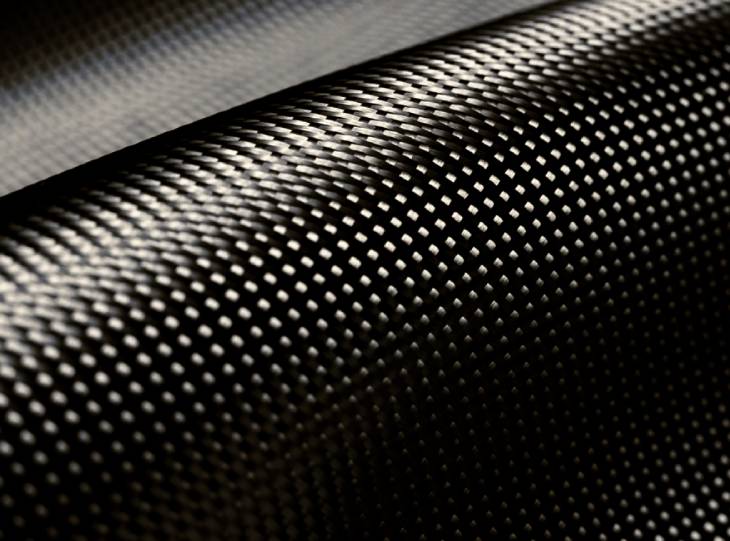
Common uses include automotive body panels, helmet shells, decorative trims, sports equipment, and boat hulls—anywhere aesthetics and multi-axis strength both matter.
| “Bi-directional carbon fiber fabric is the go-to when your part needs balanced strength, visual appeal, and the ability to conform to curves.” |
What Is Uni-Directional Carbon Fiber Fabric?
Unidirectional carbon fiber fabric is exactly what it sounds like—all the fibers run in one direction. There’s no weaving or interlocking. Instead, fibers lie parallel to each other, usually held together by a light stitching or resin binder.
This alignment means unidirectional carbon fiber fabric delivers exceptional strength and stiffness along the fiber axis. You’re essentially packing all the performance into one direction—which is precisely what you want when the load path is predictable and known.
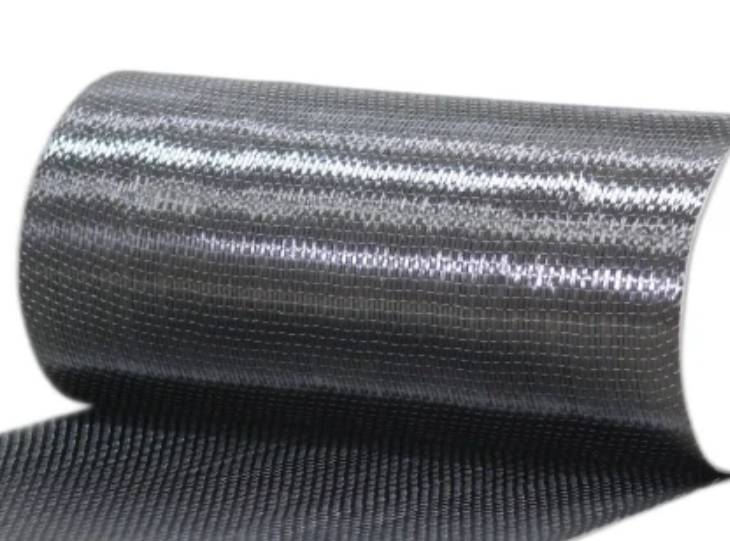
| Common uses include aerospace structural components, wind turbine blades, pressure vessels, bridges, and reinforcement strips in civil engineering—applications where the force direction is consistent and maximum performance per gram matters most. |
A Side-by-Side Look
| Feature | Bi-Directional | Uni-Directional |
| Strength Distribution | Balanced strength in two axes | Maximum strength in one direction |
| Flexibility | Easy to drape over curves | Less flexible due to single-direction fibers |
| Appearance | Excellent aesthetic finish (woven look) | Not focused on appearance |
| Application Type | Great for complex, multi-load parts | Ideal for known, single-axis loads |
| Usage | Suitable for decorative & structural use | Preferred in aerospace & engineering |
| Performance | Balanced overall performance | Best weight-to-performance ratio |
| Fiber Structure | Woven in two directions (0°/90°) | Fibers aligned in a single direction |
So, Which One Should You Actually Choose?
Here’s the honest answer: neither is universally better. The right fabric depends on your application, your load requirements, and how the part will be manufactured.
Choose bi-directional carbon fiber fabric when your part faces loads from multiple directions, needs to conform to a complex shape, or when appearance matters alongside performance—think exterior panels, sports gear, and consumer products.
Choose Uni-Directional Carbon Fiber Fabric when you know exactly where your load is coming from and need maximum stiffness or strength in that specific direction—ideal for structural laminates, reinforcement applications, and high-performance engineering parts.
 Pro tip from Malu Group India: Many advanced composites actually combine both. Designers layer uni-directional carbon fiber fabric at calculated angles for structural performance, then finish with a layer of bi-directional carbon fiber fabric for a clean woven surface. Best of both worlds. Pro tip from Malu Group India: Many advanced composites actually combine both. Designers layer uni-directional carbon fiber fabric at calculated angles for structural performance, then finish with a layer of bi-directional carbon fiber fabric for a clean woven surface. Best of both worlds. |
Why Source Your Carbon Fiber Fabric from Malu Group India?
At Malu Group India, we manufacture and supply both bi-directional carbon fiber fabric and uni-directional carbon fiber fabric across a range of weights, weave styles, and tow counts. Whether you’re prototyping a new product or scaling up production, our team helps you select the right fabric for your specific requirements — not just sell you what’s in stock.
We work with engineers, fabricators, and businesses across India and internationally, offering consistent quality, technical support, and competitive pricing. Because we believe the right material decision should never be a guessing game.